


Dufourbit Warning: FCA Says the Firm Is Unauthorised—7 Checks Before You Pay
The FCA warned about Dufourbit on 19 August 2026. Check the named domain, contact details, missing protections and seven steps before making any payment.
Original

简体中文
繁體中文
English
Pусский
日本語
ภาษาไทย
Tiếng Việt
Bahasa Indonesia
Español
हिन्दी
Filippiiniläinen
Français
Deutsch
Português
Türkçe
한국어
العربية
اردو




Abstract:While FXORO maintains a presence in the global market with a seemingly respectable WikiFX score, a deeper investigation reveals a widening gap between its regulatory faade and the actual experiences of its clients. With an FCA license listed as "Revoked" and a surge of complaints alleging unauthorized trading advice and withdrawal blockages, African traders must exercise extreme caution. This report dissects the specific mechanisms—from bonus traps to aggressive account management—that have left investors worldwide fighting to recover their capital.
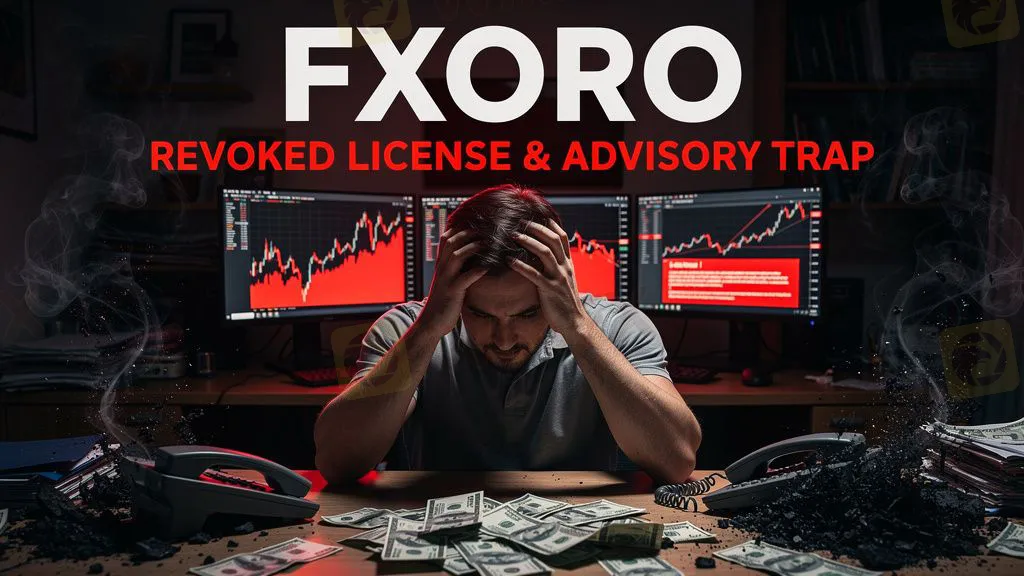
While FXORO maintains a presence in the global market with a seemingly respectable WikiFX score, a deeper investigation reveals a widening gap between its regulatory faade and the actual experiences of its clients. With an FCA license listed as “Revoked” and a surge of complaints alleging unauthorized trading advice and withdrawal blockages, African traders must exercise extreme caution. This report dissects the specific mechanisms—from bonus traps to aggressive account management—that have left investors worldwide fighting to recover their capital.
Disclaimer: All cases cited in this report are based on real user complaints filed with WikiFX. To protect the privacy of the individuals involved, personal identities have been anonymized.
One of the most concerning patterns emerging from our investigation into FXORO involves a fundamental conflict of interest. According to WikiFX regulatory data, FXORO operates under entities like MCA Intelifunds Ltd. However, numerous traders from Europe, particularly Italy and the UK, have reported a disturbing operational model: account managers acting as financial advisors, a role for which the broker is reportedly not authorized in certain contexts.
A “Market Maker” generally profits when a client loses. Therefore, when a broker's representative actively pushes specific trade recommendations, the conflict of interest is palpable.
An Italian investor recently submitted a detailed report highlighting this contradiction. The trader noted that while FXOROs legal documents state they do not provide investment advice, their account managers aggressively contact clients to recommend specific market positions. The trader alleged, “My account manager acted illegally... FXORO cannot offer investment recommendations of any kind.” This user went as far as to file a formal complaint, citing that after following the manager's advice, they faced significant losses. When they demanded a full refund based on this breach of compliance, they were reportedly offered only 34% of the amount—a settlement they refused.
This is not an isolated incident. Another trader pointed out that FXORO‘s own “Order Execution Policy” identifies them as a Market Maker. The trader lamented, “Now I understand why they made me lose all my capital.” The pattern suggests that account managers may be bypassing the broker’s own written policies to drive trading volume and client losses, creating a trap for inexperienced investors who trust the “expert” on the phone.
For many retail traders, especially those in developing markets like Africa and India, deposit bonuses are an attractive incentive. However, our data suggests that FXORO may be using these promotions as a lever to trap client funds or induce further deposits under false pretenses.
A distressing case from an Indian trader illustrates this tactic. The trader was allegedly promised a 100% bonus—an extra $100 for every $100 deposited. However, upon funding the account, only a 50% bonus was credited. More alarmingly, the trader reports receiving specific trading instructions: “They told me not to put a stop loss on the trade.”
For any seasoned trader, trading without a stop-loss is akin to driving a car without brakes. Following this advice, the trader lost their capital—money they explicitly stated was earned through hard labor driving for a delivery service (Zomato). When the funds were lost, the broker‘s response was not to investigate the bad advice, but to demand more money. “They say that I can only continue trading if I deposit the money again,” the trader reported. This “churn and burn” tactic, targeting vulnerable investors’ hard-earned savings, highlights a severe lack of ethical responsibility.
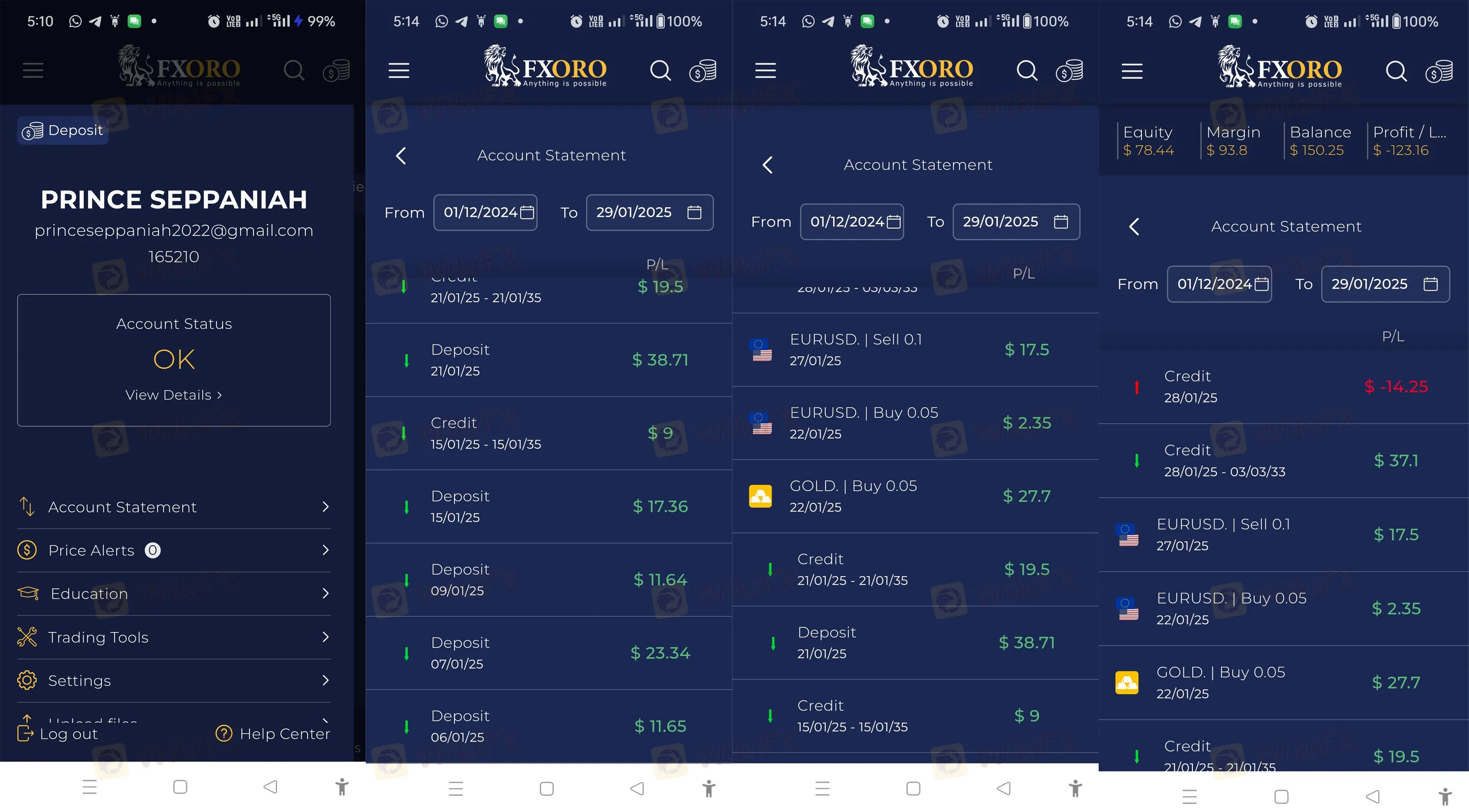
While aggressive sales tactics are a major issue, the ultimate nightmare for any trader is the inability to retrieve their own funds. Recent complaints from Saudi Arabia and Singapore indicate that FXOROs withdrawal channels are frequently obstructed, often without explanation.
One investor from Saudi Arabia shared a harrowing experience where they deposited $2,000 and successfully generated profits, bringing their balance to over $27,000. However, the moment they attempted to withdraw these profits, the line of communication allegedly went dead. “They stopped my withdrawals and no one from the support team answers me in live chat or replies to my mails,” the trader stated. This situation has reportedly persisted for over five months.
This is a critical red flag. A regulated broker is legally obligated to segregate client funds and process withdrawals within a reasonable timeframe. When a broker is happy to accept deposits and facilitate trading (as noted by a Singaporean user: “Depositing and trading activities are functional”) but goes silent on withdrawals, it suggests the company may be prioritizing liquidity retention over legal obligations. The Singaporean user further noted that even small amounts—“just a few hundred dollars”—were unattainable, signaling that the issue is systemic rather than related to large, flagged transactions.
Traders often rely on license numbers to gauge safety, but the status of those licenses is what matters. WikiFX‘s regulatory database provides a crucial reality check regarding FXORO’s standing.
While the broker holds a valid license with the Cyprus Securities and Exchange Commission (CySEC), multiple users have cited in their complaints that the parent company, MCA Intelifunds Ltd, has faced significant fines. One Italian trader specifically referenced a fine of €360,000 imposed by CySEC in April 2024 for alleged violations including “failure to protect client interests” and offering unsuitable financial instruments.
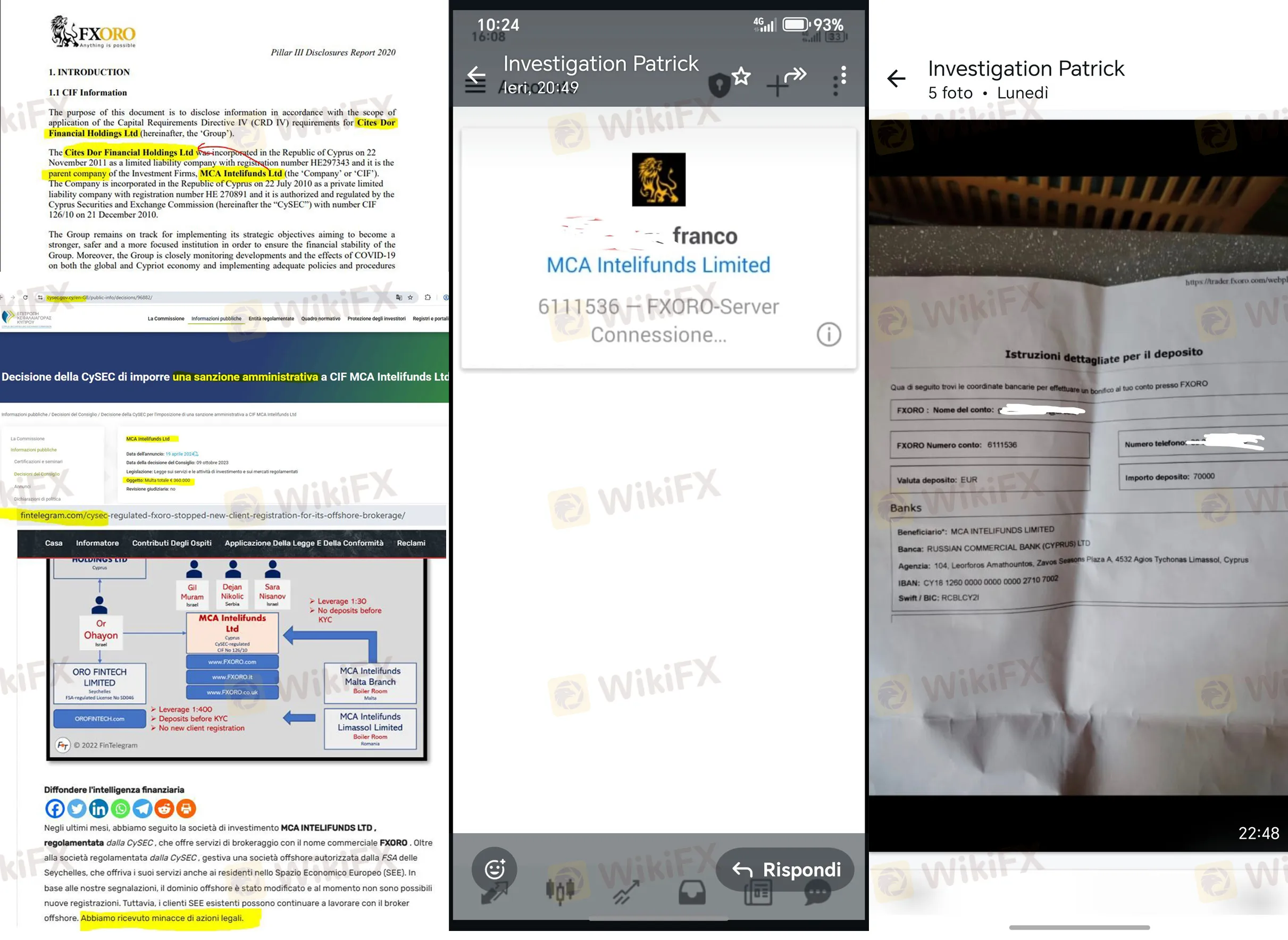
Moreover, and perhaps most critically for international traders, the broker‘s license with the UK’s Financial Conduct Authority (FCA)—widely considered the gold standard in financial regulation—is listed as “Revoked”.
When a tier-1 regulator like the FCA revokes a license, it often signals that the broker failed to meet the stringent compliance, capital, or ethical standards required to operate in the UK. Yet, many traders outside the UK may still believe they are dealing with a British-regulated entity. The data clearly shows that for global clients, they are likely contracting with the Seychelles entity (ORO FINTECH LIMITED), which holds an offshore license. Offshore regulations generally offer significantly lower protection regarding fund segregation and dispute resolution compared to the FCA or CySEC.
Below is the definitive breakdown of FXORO's regulatory status as per WikiFX records:
| Regulator Name | License Type | Current Status |
|---|---|---|
| Cyprus Securities and Exchange Commission (CySEC) | Straight Through Processing (STP) | Regulated |
| Financial Conduct Authority (UK FCA) | European Authorized Representative (EEA) | Revoked |
| Seychelles Financial Services Authority (FSA) | Retail Forex License | Offshore Regulated |
The disparity between FXORO's score and the user feedback we have analyzed is stark. While the broker maintains a valid CySEC license, the revocation of its FCA status and the documented pattern of complaints regarding withdrawal blocks and aggressive advisory practices paint a picture of a high-risk trading environment.
The consistency of the narratives—across Italy, Saudi Arabia, and India—suggests these are not isolated glitches but potentially systemic operational tactics. Traders are advised to be extremely wary of account managers offering “exclusive” advice or demanding further deposits to unlock funds.
WikiFX Risk Warning:
Forex and CFD trading involves a high level of risk and may not be suitable for all investors. Leverage can work against you as well as for you. Before deciding to trade, you should carefully consider your investment objectives, level of experience, and risk appetite. There is a possibility that you may sustain a loss of some or all of your initial investment.
Disclaimer:
The views in this article only represent the author's personal views, and do not constitute investment advice on this platform. This platform does not guarantee the accuracy, completeness and timeliness of the information in the article, and will not be liable for any loss caused by the use of or reliance on the information in the article.
The FCA warned about Dufourbit on 19 August 2026. Check the named domain, contact details, missing protections and seven steps before making any payment.
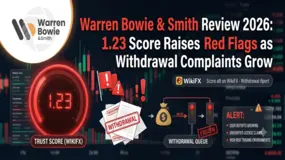
Was your trading experience with Warren Bowie & Smith, a Mauritius-based brokerage entity, not so fruitful? Did the broker tempt you into trading by giving you assurances of profits that never appeared on the Warren Bowie & Smith login dashboard? Did you struggle to withdraw profits from the trading platform? Upon your withdrawal request, did the broker official make you invest further? This Warren Bowie & Smith review examines serious trading allegations against the broker. Additionally, we have provided the broker’s regulatory status.
Angel One, an India-based brokerage entity, constantly receives allegations from users online. Users are complaining about withheld funds, poor customer support service, undesired trade execution orders, etc. In this Angel One review, let’s quickly go through these complaints, understand its regulatory framework and pay attention to the product portfolio.
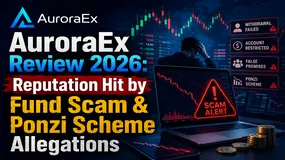
AuroraEx, a United States-based multi-asset brokerage entity, is facing serious user allegations over how it handles deposited funds. Many users have accused the broker of failing to meet its payment obligations. Some have questioned the broker over possible trade-related foul play, while others have alleged that it scammed them through a Ponzi operation. This AuroraEx review examines these user-reported allegations and provides an overview of the broker’s regulatory status.
WikiFXWikiFXWikiFXWikiFXWikiFXWikiFXWikiFXWikiFXWikiFXWikiFX