


Dufourbit Warning: FCA Says the Firm Is Unauthorised—7 Checks Before You Pay
The FCA warned about Dufourbit on 19 August 2026. Check the named domain, contact details, missing protections and seven steps before making any payment.
Original

简体中文
繁體中文
English
Pусский
日本語
ภาษาไทย
Tiếng Việt
Bahasa Indonesia
Español
हिन्दी
Filippiiniläinen
Français
Deutsch
Português
Türkçe
한국어
العربية
اردو




Abstract:New Zealand’s FMA warns that scammers are impersonating regulators like the FCA and CySEC to lure investors through fake investment groups on chat apps.
New Zealands Financial Markets Authority (FMA) has raised concerns about a growing wave of investment scams spreading through chat platforms. The regulator revealed that it is receiving a rising number of complaints from individuals who were added to online investment groups after being approached via unsolicited messages.
These scams often begin with messages sent through platforms like WhatsApp, Telegram, Facebook Messenger, and Instagram. Victims are typically invited to join groups that appear to offer investment tips or education, but are, in reality, run by fraudsters. Once inside, theyre presented with attractive—but fake—investment opportunities.
According to the FMA, scammers are now going a step further: impersonating representatives from major financial regulators, including the UKs Financial Conduct Authority (FCA) and the Cyprus Securities and Exchange Commission (CySEC). By misusing the names of respected regulatory agencies, these scammers are attempting to build false credibility and lure more victims.
In some cases, individuals who had already fallen prey to scams were later contacted by fraudsters pretending to be from the FCA or CySEC, offering to “recover lost funds” for a fee. These so-called recovery scams are increasingly common and add a second layer of financial harm.
The FMA stressed: “Any unsolicited contact about investments—especially from someone claiming to represent a regulator—should be treated with extreme caution.” They urge the public not to trust unknown individuals online, no matter how professional their profiles or documentation may appear.
This issue is not limited to New Zealand. Australian regulators have issued similar warnings, noting that investment scams—particularly those involving cryptocurrency or forex—have caused hundreds of millions in losses. Other countries, such as Vietnam and Russia, have even taken steps to restrict access to platforms like Telegram over their failure to curb scam activity.
To protect yourself, always verify a company‘s legitimacy before engaging. Check their regulatory status through official sources—or use tools like WikiFX to confirm a broker’s credentials and avoid falling into the trap.
Disclaimer:
The views in this article only represent the author's personal views, and do not constitute investment advice on this platform. This platform does not guarantee the accuracy, completeness and timeliness of the information in the article, and will not be liable for any loss caused by the use of or reliance on the information in the article.
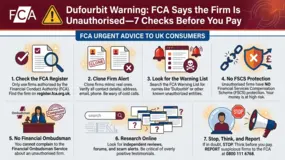
The FCA warned about Dufourbit on 19 August 2026. Check the named domain, contact details, missing protections and seven steps before making any payment.
Was your trading experience with Warren Bowie & Smith, a Mauritius-based brokerage entity, not so fruitful? Did the broker tempt you into trading by giving you assurances of profits that never appeared on the Warren Bowie & Smith login dashboard? Did you struggle to withdraw profits from the trading platform? Upon your withdrawal request, did the broker official make you invest further? This Warren Bowie & Smith review examines serious trading allegations against the broker. Additionally, we have provided the broker’s regulatory status.
Angel One, an India-based brokerage entity, constantly receives allegations from users online. Users are complaining about withheld funds, poor customer support service, undesired trade execution orders, etc. In this Angel One review, let’s quickly go through these complaints, understand its regulatory framework and pay attention to the product portfolio.
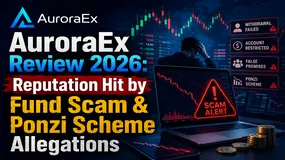
AuroraEx, a United States-based multi-asset brokerage entity, is facing serious user allegations over how it handles deposited funds. Many users have accused the broker of failing to meet its payment obligations. Some have questioned the broker over possible trade-related foul play, while others have alleged that it scammed them through a Ponzi operation. This AuroraEx review examines these user-reported allegations and provides an overview of the broker’s regulatory status.
WikiFXWikiFXWikiFXWikiFXWikiFXWikiFXWikiFXWikiFXWikiFXWikiFX